
When Fencing Fails – and the Lesson I’ll Never Forget
When “Safe Enough Fencing” Isn’t Safe 
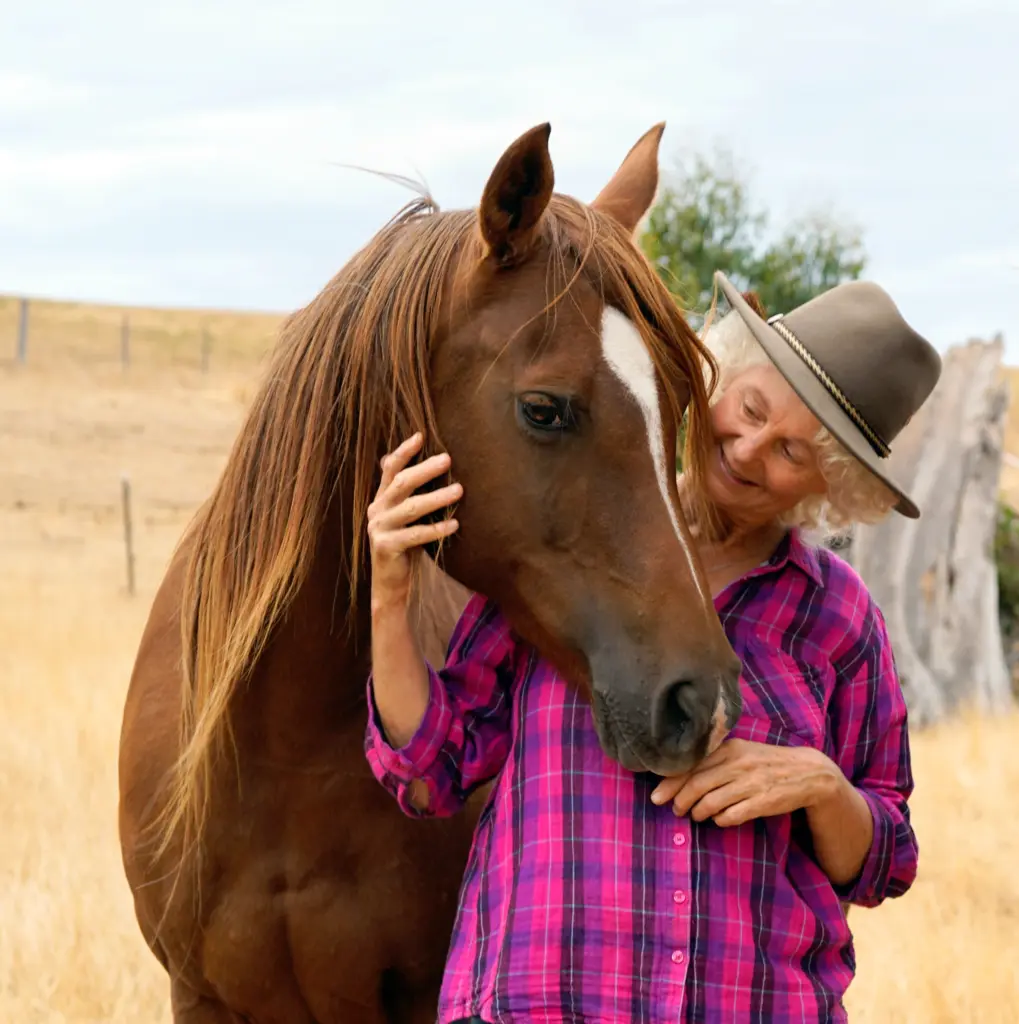
A few weeks ago, I lost my beautiful Arabian mare, Aria.
Her death wasn’t from old age, or an accident no one could foresee—it was partly caused by something I had already recognised as a risk… but hadn’t yet addressed.
I’ve gone back and forth about whether to share this. It’s painful, and I still feel a heavy mix of sadness, regret, and guilt. But if telling Aria’s story prevents even one horse from suffering the same fate, then it’s worth it.
The Fence I Knew Was a Problem
On one short section of our track—just 50 metres—there was an old ring-lock fence designed for sheep and goats. It had large mesh, steel star pickets, and sat on a slope. I’d made it “safer” with 4 cm white tape along the top (not electrified) and capped each picket with 20 cm of heavy-duty poly pipe.

It had been like that for over 12 years. I knew it wasn’t ideal, but it had worked… until it didn’t.
A week before the accident, I remember looking at that fence and thinking, “I really should replace it with plain wire, or run an electric line to keep the horses away.” I even pictured the risk—a horse slipping or rolling there and getting caught. But I told myself I didn’t have the materials, help, or time to do it right now.
The Day Everything Changed
Aria colicked. In her distress, she rolled into that section of fence. In her panic to get free, a star picket punctured her gut wall and tore her thigh.

The vet gave her just a 10% chance of surviving surgery—with almost certain peritonitis from the gut injury. After over 12 hours of care, herbal remedies, hydration, pain relief, and the help of dear friends, I made the most difficult decision of my life: to end her pain.
I’ll never know whether she would have survived the colic without those injuries. But I do know that fence should have been fixed before she had the chance to meet it in her most vulnerable moment.
What I Learned About “Safe Enough”
Horses are curious, powerful, and unpredictable. The fencing we use for them needs to be more than just “good enough.” Hazards can be there for years without incident—until one day, they’re not.
I’ve realised how easy it is to look at other people’s unsafe paddocks, old machinery, or hazardous hay feeders and think, “I’d never let that happen.” But sometimes, the danger is in our own yard, waiting for the moment when prevention would have made all the difference.
Fencing Safety Tips to Protect Your Horses
If you’ve been meaning to check or upgrade your fencing, here are some key points I wish I had acted on sooner:
1. Walk your fences regularly
Inspect for broken wires, protruding nails, sharp edges, leaning posts, sagging lines, or loose mesh. Check after storms or high winds.
2. Avoid large mesh for horses
Sheep or goat fencing (ring-lock) has openings that can trap a hoof or leg. For horses, opt for smaller mesh (50 mm / 2” maximum) or plain wire with a visible barrier.
3. Make star pickets horse-safe

If you must use steel pickets, cap them with high-quality protective sleeves. Better yet, keep horses well clear of them using offset electric wires or replacing them with safer posts. It’s also easy to cut off the sharp post corners at the top with an angle grinder and cut-off disc.
4. Add visibility
Horses see thin wires poorly. Use wide electric tape, sight boards, or painted top rails so they can clearly identify the fence line.
5. Create buffer zones
Where fencing runs along high-traffic areas, slopes, or near water points, add a second internal fence or electric strand to keep horses away from potential hazards.
6. Act on your intuition
If you see something and think, “That could be dangerous,” take it seriously. Make the repair or change as soon as possible—before “one day” becomes “too late.”
Moving Forward Without Aria
Nothing can undo what happened. The only comfort I have is knowing she is no longer in pain, and that her story may help others protect their horses.
If there’s a section of fence, gate, or hazard you’ve been putting off fixing—please take this as your sign. Go and look at it today. Make the change now. Your future self, and your horse, will thank you.
Download our printable Horse Property Fencing Hazard Checklist – Your Horse’s Safety Is Worth the Effort. 